
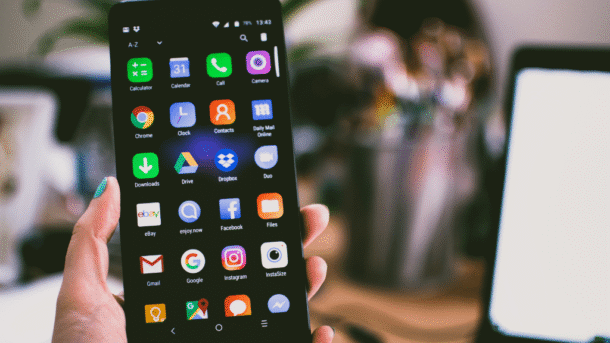
Smartphones have evolved into powerful devices capable of handling communication, photography, entertainment, navigation, productivity, and online services. Modern phones include numerous features designed to improve performance and user experience, but understanding these features can sometimes be difficult for consumers.
When purchasing a smartphone, buyers should know which specifications are genuinely important and how different features affect everyday usage. This knowledge can help consumers compare products more effectively and choose devices that offer suitable performance without unnecessary expenses. Visit: https://www.mobilidz.com
Understanding Smartphone Processors
The processor is one of the most important components of a smartphone. It handles application processing, multitasking, graphics, system operations, and many other functions.
Different processors offer different performance levels, power efficiency, and capabilities.
Consumers who primarily use their phones for messaging, browsing, social media, and video streaming may not require the most powerful processor available.
However, users who play demanding games, edit videos, run multiple applications, or perform productivity tasks may benefit from more advanced processing hardware.
When comparing smartphones, buyers should research the processor model and consider real-world performance rather than relying exclusively on marketing terminology.
RAM and Multitasking
RAM helps smartphones manage applications and processes running simultaneously.
A smartphone with sufficient RAM may provide a smoother experience when switching between applications, browsing multiple pages, and using demanding software.
However, RAM requirements depend on the operating system, software optimization, and the user’s habits.
Consumers should compare RAM configurations between devices and consider how they typically use their phones.
For everyday smartphone usage, an appropriately configured device may provide sufficient performance without requiring an unnecessarily expensive model.
Storage Capacity and Expansion
Storage is used for applications, photographs, videos, documents, downloads, and other files.
Smartphones are commonly available in different storage configurations, and the available capacity can influence the purchase price.
Consumers who frequently photograph events, record videos, download games, or store large files may benefit from higher storage capacity.
Some smartphones also support expandable storage, providing additional flexibility.
Buyers should check the exact storage configuration when comparing smartphone listings because different versions of the same model may have significantly different prices.
Display Technology and Screen Quality
The display is one of the most important components of a smartphone because users interact with it throughout the day.
Display specifications include screen size, resolution, brightness, refresh rate, color reproduction, and panel technology.
Higher resolution may provide sharper images and text. A higher refresh rate can make scrolling and animations appear smoother.
Brightness is particularly important for users who frequently operate smartphones outdoors.
Display size also influences comfort and usability. Larger screens may be useful for watching videos, reading, gaming, and multitasking, while smaller devices may be easier to carry and operate with one hand.
Consumers should choose display characteristics that match their preferences and usage habits.
Camera Features and Photography
Smartphone cameras have become increasingly advanced, allowing users to capture photographs and videos without dedicated camera equipment.
Camera systems may include wide-angle lenses, ultrawide cameras, telephoto lenses, optical stabilization, portrait modes, night photography features, and advanced video recording capabilities.
However, camera performance depends on more than megapixel numbers.
Sensor quality, image processing, lens design, stabilization, and software optimization all influence the final results.
Consumers should examine real-world photographs and video samples to understand how a smartphone performs in different lighting conditions.
Battery Capacity and Charging
Battery performance affects how conveniently consumers can use their smartphones throughout the day.
Battery capacity is commonly measured in milliampere-hours, but actual battery life depends on processor efficiency, display technology, software, connectivity, and usage patterns.
Fast charging can help users recharge their phones more quickly, while wireless charging may offer additional convenience on compatible devices.
Consumers should consider battery performance alongside other specifications rather than focusing only on capacity numbers.
Connectivity and Additional Features
Modern smartphones include numerous connectivity features.
Depending on the device, these may include cellular network support, Wi-Fi, Bluetooth, GPS, NFC, USB connectivity, and biometric security.
Consumers should verify that the smartphone supports the connectivity features they need.
Security features such as fingerprint recognition and facial authentication may also influence the user experience.
Some smartphones offer water resistance, stereo speakers, advanced haptics, and additional software features that may be valuable to particular users.
Compare Features and Prices Before Buying
Understanding smartphone features helps consumers compare devices more effectively.
Buyers should identify the specifications they consider essential and determine which smartphones provide the best combination of features within their budgets.
Mobilidz is an independent smartphone price comparison platform and multi-vendor marketplace tailored to the Algerian consumer tech sector.
Through Mobilidz, consumers can explore smartphone products and research available options while comparing devices for their purchasing decisions.
A price comparison platform can help buyers evaluate different products and discover smartphones that match their needs.
Choose Features That Provide Real Value
The best smartphone is not necessarily the device with the highest specifications.
Consumers should consider how frequently they will use particular features and whether those features justify the additional cost.
For example, someone who rarely takes photographs may not need an advanced camera system. A user who spends considerable time watching videos may prioritize display quality and battery life.
A practical purchasing decision should balance performance, functionality, price, and long-term usability.
By understanding smartphone specifications and comparing available products carefully, consumers can make more informed purchasing decisions and choose devices that provide genuine value.
No Comments, Be The First!