
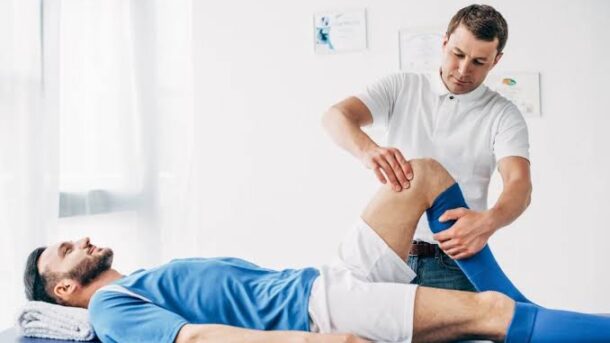
Musculoskeletal health plays a vital role in our ability to move, work, exercise, and perform everyday activities. The musculoskeletal system consists of bones, muscles, joints, ligaments, tendons, and connective tissues that support the body and allow movement. When injuries, surgeries, or chronic conditions affect this system, proper musculoskeletal recovery becomes essential for restoring strength, mobility, and overall quality of life.
Whether you’re recovering from a sports injury, surgery, accident, or repetitive strain, understanding the recovery process can help you heal effectively and reduce the risk of future complications.
Musculoskeletal recovery focuses on restoring strength, mobility, and function after injuries through rehabilitation, therapy, exercise, and personalized treatment plans.
What Is Musculoskeletal Recovery?
Musculoskeletal recovery refers to the process of healing and rehabilitating injuries or conditions that affect the body’s muscles, bones, joints, and soft tissues. The goal of recovery is not only to relieve pain but also to restore flexibility, strength, mobility, and function.
Recovery can involve several treatment methods, including:
- Physical therapy
- Exercise programs
- Pain management techniques
- Lifestyle modifications
- Nutritional support
- Medical interventions
- Rehabilitation therapies
Every person’s recovery journey is different and depends on factors such as age, overall health, injury severity, and adherence to treatment plans.
Common Causes of Musculoskeletal Problems
Musculoskeletal issues can develop for various reasons. Some of the most common causes include:
Sports Injuries
Athletes frequently experience sprains, strains, fractures, and tendon injuries due to intense physical activity and repetitive movements.
Workplace Injuries
Poor posture, heavy lifting, repetitive tasks, and prolonged sitting can contribute to musculoskeletal disorders and chronic pain.
Accidents and Trauma
Falls, car accidents, and other traumatic events can lead to broken bones, joint injuries, and muscle damage.
Aging
As people age, natural wear and tear on joints and muscles can lead to conditions such as osteoarthritis and decreased mobility.
Overuse Injuries
Repeated motions over time can result in tendonitis, stress fractures, and muscle imbalances that require rehabilitation.
The Stages of Musculoskeletal Recovery
Recovery typically occurs in several phases, each with specific goals and treatment approaches.
Phase 1: Acute Healing
Immediately after an injury, the body begins repairing damaged tissues. This stage often involves:
- Pain
- Swelling
- Inflammation
- Reduced movement
Treatment usually focuses on controlling symptoms and preventing further damage through rest, ice, compression, and elevation.
Phase 2: Repair and Rehabilitation
During this stage, damaged tissues begin to rebuild. Physical therapy and gentle exercises are often introduced to restore mobility and improve circulation.
Rehabilitation programs may include:
- Stretching exercises
- Range-of-motion activities
- Low-impact movements
- Strength-building exercises
Phase 3: Strengthening and Functional Recovery
As healing progresses, treatment focuses on rebuilding strength and restoring normal function.
This stage may involve:
- Resistance training
- Balance exercises
- Coordination drills
- Functional movement training
The goal is to help individuals safely return to their daily activities, work, or sports.
The Importance of Physical Therapy
Physical therapy is one of the most effective tools in musculoskeletal recovery. Physical therapists create personalized treatment plans that address each patient’s specific needs and goals.
Benefits of physical therapy include:
- Reduced pain
- Improved flexibility
- Increased strength
- Enhanced mobility
- Better balance and coordination
- Faster recovery times
- Lower risk of reinjury
Therapists also educate patients on proper body mechanics and injury prevention techniques.
Exercise and Recovery
Exercise is a critical component of musculoskeletal rehabilitation. However, exercises must be performed correctly and at the appropriate stage of recovery.
Flexibility Exercises
Stretching improves joint mobility and reduces stiffness. Gentle stretching exercises can help restore normal movement patterns.
Strength Training
Building muscle strength supports injured joints and improves overall function. Resistance bands, light weights, and bodyweight exercises are commonly used during recovery.
Cardiovascular Exercise
Low-impact activities such as walking, cycling, and swimming help improve circulation and maintain overall fitness while reducing stress on injured areas.
Balance and Stability Training
Balance exercises improve coordination and help prevent future injuries, particularly in older adults and athletes.
Nutrition and Musculoskeletal Healing
Proper nutrition plays an important role in recovery. The body requires essential nutrients to repair damaged tissues and reduce inflammation.
Key nutrients include:
Protein
Protein supports muscle repair and tissue regeneration.
Good sources include:
- Lean meats
- Fish
- Eggs
- Dairy products
- Beans and legumes
Calcium and Vitamin D
These nutrients are essential for bone health and recovery.
Sources include:
- Dairy products
- Leafy green vegetables
- Fortified foods
- Sunlight exposure
Omega-3 Fatty Acids
Omega-3s may help reduce inflammation and support healing.
Sources include:
- Salmon
- Tuna
- Flaxseeds
- Walnuts
Vitamin C
Vitamin C promotes collagen production, which is important for tendon and ligament repair.
Managing Pain During Recovery
Pain management is an important part of musculoskeletal recovery. Depending on the condition, treatment options may include:
- Ice and heat therapy
- Physical therapy techniques
- Massage therapy
- Medications
- Gentle exercise
- Relaxation techniques
It’s important to work with healthcare professionals to develop a safe and effective pain management plan.
Mental Health and Recovery
Recovering from an injury can be physically and emotionally challenging. Chronic pain and limited mobility can lead to frustration, anxiety, and even depression.
Maintaining a positive mindset can improve recovery outcomes.
Helpful strategies include:
- Setting realistic goals
- Celebrating small improvements
- Staying socially connected
- Practicing mindfulness and relaxation
- Seeking professional support if needed
Mental well-being is just as important as physical healing.
Preventing Future Musculoskeletal Injuries
Once recovery is complete, taking steps to prevent future injuries becomes essential.
Prevention strategies include:
- Maintaining a healthy weight
- Exercising regularly
- Strengthening muscles
- Improving flexibility
- Practicing proper posture
- Using correct lifting techniques
- Wearing appropriate footwear
- Taking breaks during repetitive activities
Developing healthy habits can significantly reduce the risk of future musculoskeletal problems.
When to Seek Professional Help
Some musculoskeletal conditions require professional evaluation and treatment. You should seek medical attention if you experience:
- Severe pain
- Persistent swelling
- Difficulty walking
- Limited range of motion
- Numbness or weakness
- Symptoms that do not improve
Early diagnosis and treatment often lead to better recovery outcomes.
Conclusion
Musculoskeletal recovery is a comprehensive process that involves healing, rehabilitation, and rebuilding strength and mobility. Whether recovering from an injury, surgery, or chronic condition, a well-structured recovery plan can significantly improve physical function and overall quality of life.
Through proper medical care, physical therapy, exercise, nutrition, and lifestyle adjustments, individuals can successfully regain mobility and return to the activities they enjoy. Recovery takes time and commitment, but with the right approach and support, restoring strength and movement is entirely possible.
Investing in musculoskeletal health today can lead to greater independence, improved physical performance, and a healthier, more active future.