
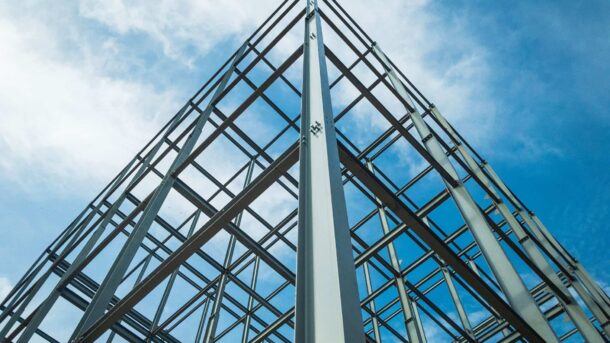
The steel framing system is a modern and highly efficient method of construction that uses steel members as the primary structural framework of buildings and other structures. Widely adopted in residential, commercial, and industrial projects, steel framing systems are valued for their strength, durability, speed of construction, and design flexibility. As construction demands increase for safer, taller, and more sustainable buildings, steel framing continues to play a critical role in the global construction industry.
This article provides a comprehensive overview of the steel framing system, covering its definition, types, components, design considerations, construction process, advantages, limitations, and applications.
What Is a Steel Framing System?
A steel framing system is a structural system in which steel members—such as beams, columns, studs, and joists—form the load-bearing framework of a building. The system is designed to carry vertical loads (dead and live loads) and horizontal loads (wind and seismic forces) and safely transfer them to the foundations.
Steel framing systems can be broadly categorized into structural steel framing (hot-rolled steel sections) and light gauge steel framing (cold-formed steel sections). Both systems rely on the inherent strength and consistency of steel to create stable and long-lasting structures.
Types of Steel Framing Systems

4
1. Structural (Hot-Rolled) Steel Framing
Structural steel framing uses hot-rolled steel sections such as I-beams, H-sections, channels, and angles. These members are typically used in large-scale projects such as high-rise buildings, industrial plants, bridges, and warehouses. Hot-rolled steel framing is ideal for structures requiring long spans, heavy load capacity, and high resistance to lateral forces.
2. Light Gauge (Cold-Formed) Steel Framing
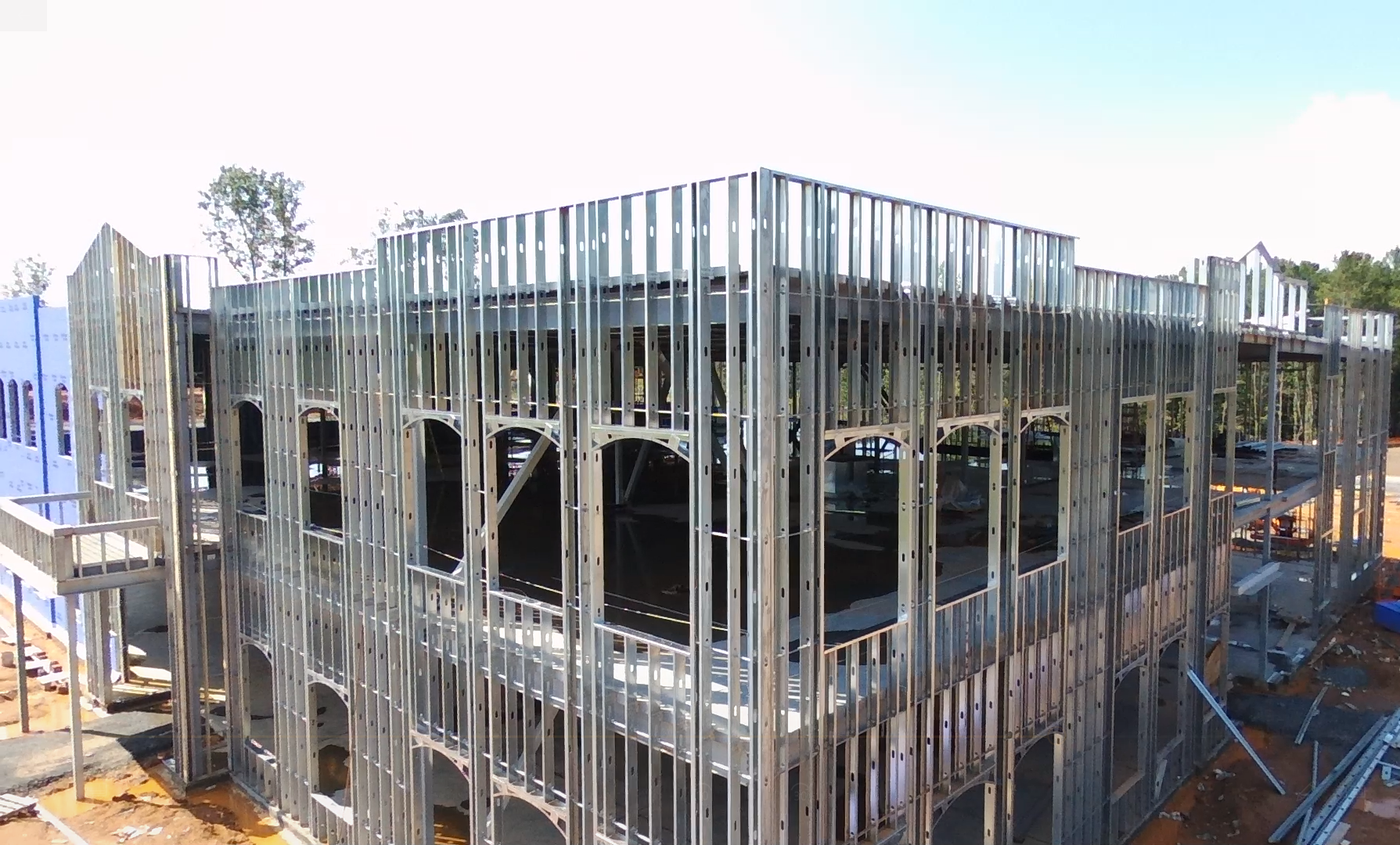
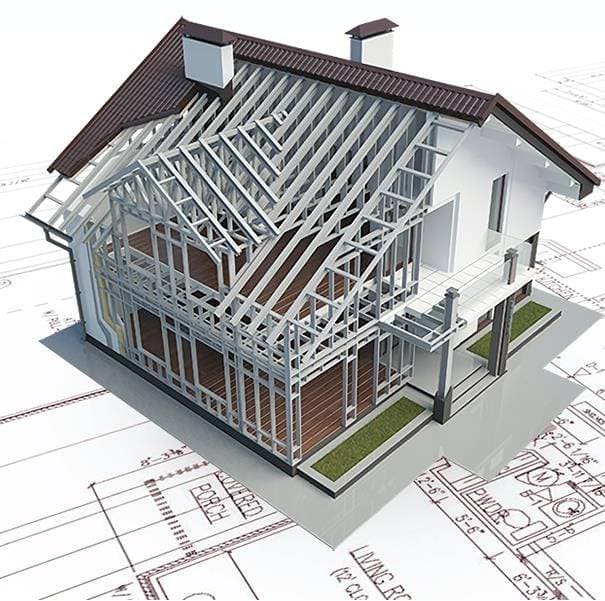
Light gauge steel framing uses thin steel sheets that are cold-formed into C-shaped or U-shaped sections. This system is commonly used in residential buildings, low-rise commercial structures, and interior partition walls. Light gauge steel framing is lightweight, precise, and well-suited for repetitive and modular construction.
3. Braced and Moment-Resisting Frames
Steel framing systems may incorporate braced frames or moment-resisting frames to provide lateral stability. Braced frames use diagonal members to resist horizontal forces, while moment-resisting frames rely on rigid connections between beams and columns.
Main Components of a Steel Framing System
Steel Columns
Columns are vertical members that support axial loads from floors and roofs. In steel framing systems, columns can be rolled sections, hollow sections, or built-up members. Their design is governed by load capacity, buckling resistance, and height.
Steel Beams and Girders
Beams are horizontal members that support floor systems and roofs. Girders are primary beams that carry loads from secondary beams. Steel beams allow for long spans and open floor layouts, reducing the need for internal load-bearing walls.
Studs and Joists
In light gauge steel framing, studs and joists replace traditional timber members. They are used for walls, floors, and ceilings and provide consistent strength and dimensional accuracy.
Bracing and Shear Elements
Bracing systems improve the lateral stability of steel-framed structures. These elements resist wind and earthquake forces and prevent excessive sway or deformation.
Connections
Connections are critical components of steel framing systems. They may be bolted, welded, or screwed, depending on the type of steel framing used. Properly designed connections ensure structural integrity and load transfer between members.
Design Considerations for Steel Framing Systems
Load Assessment
Engineers must evaluate all loads acting on the structure, including dead loads, live loads, wind loads, snow loads, and seismic forces. These loads are combined according to design codes to determine the most critical design cases.
Structural Stability
Steel framing systems must be designed to prevent buckling, excessive deflection, and vibration. Stability is achieved through appropriate member sizing, bracing systems, and connection design.
Fire Resistance
Steel loses strength when exposed to high temperatures. Fire protection measures such as intumescent coatings, fire-resistant boards, or concrete encasement are often required to meet fire safety regulations.
Corrosion Protection
In corrosive environments, steel members must be protected using galvanization, protective coatings, or specialized alloys to ensure long-term durability.
Serviceability
Deflection limits, vibration control, and acoustic performance are important serviceability considerations, especially in residential and office buildings.
Construction Process of Steel Framing Systems
- Design and Detailing
Structural engineers and detailers prepare detailed drawings and fabrication plans using advanced modeling software. - Fabrication
Steel members are manufactured in factories under controlled conditions. This ensures high accuracy, quality control, and minimal material waste. - Transportation
Fabricated steel components are delivered to the construction site in ready-to-install form. - Erection and Assembly
Steel members are assembled on-site using cranes, bolting, welding, or screw-fastening methods. The speed of erection is a major advantage of steel framing systems. - Installation of Floors, Walls, and Cladding
Once the frame is complete, floor systems, wall panels, insulation, and exterior cladding are installed to complete the building envelope.
Advantages of Steel Framing Systems
Steel framing systems offer numerous benefits:
- High Strength and Durability: Steel provides excellent load-bearing capacity and long service life.
- Speed of Construction: Prefabrication and rapid assembly significantly reduce construction time.
- Design Flexibility: Long spans and open spaces are easily achieved.
- Dimensional Accuracy: Steel members are manufactured with high precision, reducing on-site adjustments.
- Sustainability: Steel is recyclable and supports environmentally responsible construction.
- Resistance to Pests and Rot: Unlike timber, steel is not affected by termites, mold, or decay.
Limitations of Steel Framing Systems
Despite their advantages, steel framing systems also have some limitations:
- Fire Protection Costs: Additional fireproofing measures may increase project costs.
- Thermal Bridging: Steel conducts heat, which can lead to energy losses if not properly insulated.
- Initial Material Cost: Steel may have higher upfront costs compared to some traditional materials.
- Specialized Skills Required: Skilled labor and precise engineering are essential for proper installation.
Applications of Steel Framing Systems
Steel framing systems are used in a wide range of construction projects, including:
- Residential housing and apartment buildings
- Commercial offices and shopping centers
- Industrial facilities and factories
- Educational and healthcare buildings
- Warehouses, hangars, and logistics centers
Their adaptability makes steel framing suitable for both small-scale and large-scale developments.
Conclusion
The steel framing system is a cornerstone of modern construction, offering a reliable, efficient, and sustainable solution for a wide variety of building needs. With its high strength-to-weight ratio, precision manufacturing, and adaptability, steel framing enables architects and engineers to create safe, functional, and innovative structures. While challenges such as fire protection and thermal performance must be addressed through careful design, the long-term benefits of steel framing systems—speed, durability, and flexibility—continue to drive their widespread adoption in the construction industry.