
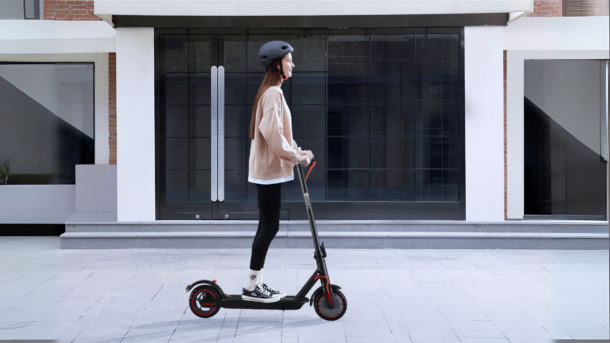
Mobility and convenience have become essential aspects of modern life. As technology continues advancing and lifestyles evolve, individuals increasingly seek solutions that simplify daily routines while improving accessibility and flexibility.
Mobility and convenience enhance everyday life through accessibility, efficient transportation, flexibility, and user-friendly solutions.
Mobility refers to the ability to move efficiently and access essential services, while convenience focuses on reducing complexity and saving time. Together, these concepts shape how people work, travel, communicate, and interact with their environments.
Several factors contribute to improved mobility and convenience:
- Transportation systems
- Digital technologies
- Mobile devices
- Smart infrastructure
- Flexible services
These innovations help individuals manage responsibilities more effectively while enhancing quality of life.
Technology plays a major role in supporting mobility and convenience. Smartphones allow users to access information, communicate, and complete tasks from virtually anywhere. Cloud-based services provide flexibility for both personal and professional activities.
Urban development increasingly prioritizes accessibility and efficiency. Public transportation networks, pedestrian-friendly communities, and integrated infrastructure help support convenient movement within cities.
Smart technologies also contribute to improved experiences. Examples include:
- Navigation systems
- Mobile payment solutions
- Smart home devices
- Digital scheduling tools
These technologies help streamline everyday activities and increase productivity.
Businesses have also embraced mobility and convenience through flexible work arrangements, remote services, and digital platforms. Consumers benefit from faster access to products, information, and support.
Healthcare services, education, and entertainment industries have similarly expanded digital capabilities to improve accessibility and user experiences.
As society becomes increasingly connected, the importance of mobility and convenience continues growing. Emerging technologies such as artificial intelligence, automation, and smart cities are expected to further transform how individuals interact with their environments.
By enhancing accessibility, reducing barriers, and improving efficiency, mobility and convenience contribute to more productive, flexible, and enjoyable lifestyles. These concepts will remain central to innovation and quality of life in the years ahead.