
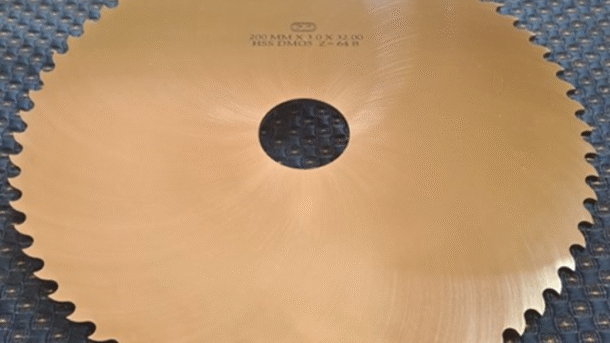
HSS slitting saw blades are essential cutting tools widely used in metalworking, machining, and manufacturing industries. Known for their durability, precision, and versatility, High-Speed Steel (HSS) slitting saw blades are designed to perform accurate cutting operations on various materials, including steel, aluminum, brass, and plastics. These blades are especially valued in applications that require thin, precise cuts, slotting, and parting operations. Understanding the features, benefits, applications, and maintenance of HSS slitting saw blades helps professionals and manufacturers achieve efficient and high-quality machining results.
What Are HSS Slitting Saw Blades?
HSS slitting saw blades are circular cutting tools made from high-speed steel, a material known for its excellent hardness, heat resistance, and wear resistance. These blades are typically mounted on milling machines, arbor systems, or specialized cutting equipment to create narrow cuts, grooves, and slots with high accuracy.
Unlike standard saw blades, slitting saw blades are thinner and specifically engineered for precision cutting tasks. Their sharp teeth and rigid construction allow for smooth cutting performance with minimal material waste. HSS as a material ensures the blade maintains its sharpness even at higher cutting speeds, making it ideal for industrial machining environments.
Key Features of HSS Slitting Saw Blades
One of the most notable features of HSS slitting saw blades is their superior heat resistance. High-speed steel can withstand high temperatures generated during cutting without losing hardness, which enhances tool life and cutting consistency.
Another important feature is their excellent wear resistance. HSS blades are designed to handle repeated cutting operations while maintaining edge sharpness. This makes them suitable for both light and heavy-duty applications.
Additionally, these blades offer precision tooth geometry, which allows for clean and accurate cuts. The uniform tooth spacing and sharp edges reduce vibration and ensure smooth machining operations. Their thin profile also enables fine slotting and minimal kerf width, which is crucial in precision engineering.
Advantages of Using HSS Slitting Saw Blades
High Precision Cutting
HSS slitting saw blades are engineered to deliver precise and accurate cuts. Their thin structure allows for narrow slots and fine cuts, making them ideal for applications requiring tight tolerances and detailed machining work.
Durability and Long Tool Life
One of the main advantages of HSS slitting saw blades is their durability. High-speed steel is resistant to wear and thermal stress, which significantly extends the lifespan of the blade compared to standard carbon steel alternatives.
Versatility Across Materials
These blades can cut a wide range of materials, including ferrous and non-ferrous metals, plastics, and composites. This versatility makes them a preferred choice in various industries such as automotive, aerospace, and fabrication.
Cost-Effective Performance
Although HSS slitting saw blades may have a higher initial cost than basic blades, their long-lasting performance and reduced replacement frequency make them a cost-effective investment over time.
Resistance to Heat and Friction
During high-speed machining, cutting tools are exposed to intense heat and friction. HSS blades maintain their hardness even under extreme conditions, ensuring consistent performance and reducing the risk of blade deformation.
Common Applications of HSS Slitting Saw Blades
HSS slitting saw blades are widely used in manufacturing and machining operations where precision cutting is essential.
Metalworking Industry
In metalworking, these blades are commonly used for slotting, parting-off, and grooving operations. They provide clean cuts in metals such as stainless steel, mild steel, and aluminum.
Tool and Die Making
Tool and die manufacturers rely on HSS slitting saw blades for precise shaping and cutting of components. The accuracy of these blades ensures high-quality finished products.
Automotive and Aerospace Manufacturing
In industries where precision and quality are critical, HSS slitting saw blades are used for machining intricate parts and components. Their ability to produce consistent cuts enhances production efficiency.
Fabrication and Engineering Workshops
Engineering workshops frequently use HSS slitting saw blades for custom cutting tasks, including creating keyways, narrow slots, and fine grooves in mechanical components.
Types of HSS Slitting Saw Blades
There are several types of HSS slitting saw blades designed for different cutting requirements.
Plain slitting saw blades are commonly used for general-purpose cutting and slotting applications. They offer straightforward performance and are suitable for standard machining tasks.
Side and face slitting saw blades feature cutting teeth on both the sides and the face, allowing for deeper and wider cuts. These are often used in heavy-duty machining operations.
Staggered tooth slitting saw blades are designed for improved chip removal and smoother cutting performance. Their unique tooth arrangement reduces vibration and enhances cutting efficiency.
Fine-tooth slitting saw blades are ideal for delicate and precise cutting tasks, especially when working with thin materials or detailed components.
Factors to Consider When Choosing HSS Slitting Saw Blades
Selecting the right HSS slitting saw blade depends on several important factors. The first consideration is material compatibility. Different materials require specific tooth designs and blade thickness for optimal performance.
Blade diameter and thickness also play a crucial role in determining cutting accuracy and depth. Thinner blades are suitable for fine slotting, while thicker blades are better for heavy-duty applications.
Tooth pitch and geometry should be chosen based on the type of cut and material hardness. A finer pitch is ideal for precision work, while a coarser pitch is suitable for faster material removal.
Another factor to consider is coating and finish. Some HSS slitting saw blades come with specialized coatings that enhance wear resistance and reduce friction during cutting.
Maintenance and Care for HSS Slitting Saw Blades
Proper maintenance is essential to maximize the lifespan and performance of HSS slitting saw blades. Regular cleaning helps remove chips, debris, and coolant residue that can affect cutting efficiency.
Sharpening the blade periodically ensures consistent cutting accuracy. Dull blades can cause rough cuts, increased heat generation, and excessive machine strain.
Proper storage is also important. Blades should be stored in dry, protected environments to prevent corrosion and physical damage. Using protective covers or cases helps maintain blade integrity.
Lubrication and the use of appropriate cutting fluids during machining reduce heat buildup and friction, improving blade performance and longevity.
Safety Considerations During Use
Safety is a critical aspect when working with HSS slitting saw blades. Operators should always ensure the blade is properly mounted and securely fastened before operation. Incorrect installation can lead to vibrations, inaccurate cuts, and potential hazards.
Wearing protective gear such as safety glasses, gloves, and hearing protection is highly recommended. Additionally, machines should be operated at the correct speed and feed rate to prevent blade breakage and ensure safe operation.
Routine inspection of the blade for cracks, wear, or damage helps prevent accidents and ensures reliable performance.
Future Trends in HSS Cutting Tools
With advancements in manufacturing technology, HSS slitting saw blades continue to evolve. Modern designs focus on improved tooth geometry, enhanced coatings, and better heat resistance. These innovations increase cutting efficiency and extend tool life.
The integration of CNC machining and automation has also increased the demand for high-precision cutting tools like HSS slitting saw blades. As industries move toward more efficient and automated production processes, the importance of reliable and durable cutting tools will continue to grow.
Conclusion
HSS slitting saw blades are indispensable tools in modern machining and manufacturing due to their precision, durability, and versatility. Their ability to perform accurate cuts across various materials makes them a valuable asset in industries such as metalworking, aerospace, automotive, and engineering.
From superior heat resistance and long tool life to cost-effective performance and high cutting accuracy, these blades offer numerous advantages for professionals and manufacturers. By selecting the right blade type, maintaining proper care, and following safety practices, users can maximize efficiency and achieve consistent, high-quality results.
Investing in high-quality HSS slitting saw blades is a strategic decision that enhances productivity, reduces downtime, and ensures precision in every cutting operation.