
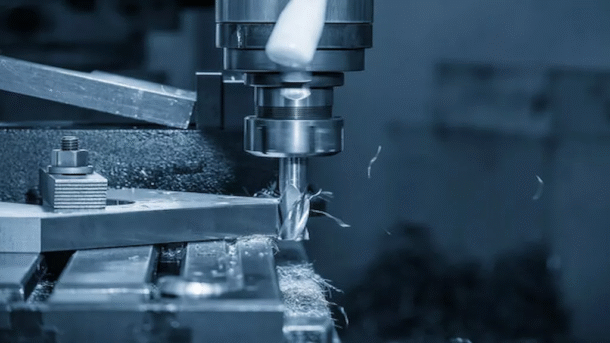
In the world of precision engineering and metalworking, the right tool can make all the difference. Among the most essential tools in milling and
— versatile, high-performance cutters designed to remove material efficiently while maintaining precision and surface quality.
From aerospace components to automotive parts and custom molds, end mills are indispensable in industries that demand accuracy, durability, and performance. This article explores what end mills are, their types, materials, applications, and how to select the right one for your machining needs.
What Are End Mills?
An end mill is a type of milling cutter used in industrial milling applications. Unlike drill bits, which cut only in the axial direction, end mills can cut in both axial (downward) and radial (side) directions. This makes them ideal for cutting, contouring, slotting, profiling, and finishing various materials, including metals, plastics, and composites.
End mills are used in CNC (Computer Numerical Control) machining centers and manual milling machines, performing precise operations to achieve complex shapes and surfaces.
They come in a variety of diameters, lengths, and geometries to suit specific cutting applications — from rough material removal to ultra-fine finishing.
Key Components of an End Mill
Understanding the anatomy of an end mill helps machinists choose the correct tool for a given application:
- Shank: The cylindrical part that fits into the milling machine’s collet or tool holder.
- Flutes: The helical grooves running along the body of the end mill that remove chips and allow coolant flow.
- Cutting Edges (Teeth): The sharp ridges along the flutes that perform the actual cutting.
- Helix Angle: The angle of the flutes, which affects cutting efficiency, chip evacuation, and surface finish.
- End Geometry: The cutting tip of the end mill, which can be flat, ball-nosed, corner-rounded, or specialized for specific cuts.
Types of End Mills
End mills come in different styles and geometries, each suited for specific applications and materials.
1. Square End Mills
The most common type, featuring a flat end for milling sharp edges, slots, and side surfaces. Ideal for general-purpose machining.
2. Ball Nose End Mills
These have a rounded cutting tip and are used for 3D contouring and machining complex surfaces such as molds, dies, and turbine blades.
3. Corner Radius End Mills
Combine the flat cutting surface of a square end mill with rounded corners, improving strength and reducing chipping.
4. Roughing End Mills (Corn Cob Cutters)
Designed with serrated edges to remove large amounts of material quickly. They leave a rough surface that can be finished later.
5. Finishing End Mills
Feature smooth cutting edges for fine surface finishes after roughing operations. Used where precision and surface quality are critical.
6. Tapered End Mills
Used for creating angled walls or tapered holes, commonly found in mold-making and machining parts with draft angles.
7. Single Flute End Mills
Used primarily for soft materials like aluminum and plastics. The single flute design ensures excellent chip evacuation.
8. Multi-Flute End Mills
Available in 2, 3, 4, 5, or more flutes. The more flutes, the smoother the finish and the higher the feed rate — but less space for chip removal.
Materials Used in End Mills
The material composition of an end mill determines its cutting performance, lifespan, and cost.
1. High-Speed Steel (HSS)
- Cost-effective and tough.
- Suitable for softer metals, plastics, and wood.
- Offers good wear resistance but wears out faster on hard materials.
2. Cobalt Steel (HSS-Co)
- Improved hardness and temperature resistance.
- Performs well on harder metals like stainless steel.
- Balances durability and cost-effectiveness.
3. Carbide (Tungsten Carbide)
- The most popular choice for modern CNC machining.
- Extremely hard, wear-resistant, and maintains sharpness at high speeds.
- Ideal for high-speed cutting of steel, titanium, and composites.
4. Ceramic and Diamond-Coated End Mills
- Used for high-speed finishing of hardened materials or composites.
- Diamond coatings provide excellent wear resistance when cutting abrasive materials like carbon fiber.
Coatings and Surface Treatments
Coatings extend the lifespan of end mills and enhance performance under challenging conditions. Common coatings include:
- TiN (Titanium Nitride): Improves hardness and reduces friction.
- TiCN (Titanium Carbonitride): Offers higher wear resistance for hard materials.
- TiAlN (Titanium Aluminum Nitride): Withstands higher temperatures and is ideal for dry machining.
- AlTiN (Aluminum Titanium Nitride): Provides excellent oxidation resistance at high cutting speeds.
- DLC (Diamond-Like Carbon): Perfect for non-ferrous materials and composites.
Choosing the right coating depends on the material being machined and the type of operation performed.
Applications of End Mills
End mills are essential tools in a wide range of industries and applications, including:
1. Aerospace
For machining lightweight but strong materials like aluminum, titanium, and composites used in aircraft components.
2. Automotive
Used in the production of engine components, molds, and precision dies.
3. Mold and Die Making
Ball nose and tapered end mills are ideal for sculpting complex 3D forms and cavities.
4. Medical Device Manufacturing
Precision end mills are used to craft small, intricate parts from stainless steel and titanium.
5. General Engineering and Prototyping
Versatile cutting tools for producing parts, prototypes, and jigs with high dimensional accuracy.
6. Electronics and Semiconductor Industry
Micro end mills are used for fine milling in PCBs and miniature components.
Factors to Consider When Choosing an End Mill
Selecting the right end mill can dramatically impact machining performance and cost efficiency. Here are the key factors to evaluate:
- Material of the Workpiece: Different end mill materials and coatings suit different workpiece materials.
- Number of Flutes:
- Fewer flutes (2–3) → better chip evacuation for soft materials like aluminum.
- More flutes (4–6) → finer finishes on hard materials.
- Helix Angle:
- Low helix (30°) for hard materials.
- High helix (45°–55°) for aluminum and softer metals.
- Tool Diameter and Length:
Choose the largest diameter possible for strength, and the shortest length to minimize deflection. - Cutting Environment:
- Use coolant for heat-sensitive materials.
- Dry cutting is suitable for coated carbide tools with heat-resistant coatings.
- Machine Capability:
Match the tool’s rigidity and cutting parameters with your CNC machine’s spindle power and speed.
Maintenance and Best Practices
Proper maintenance extends tool life and ensures consistent performance:
- Clean After Use: Remove chips and residue to prevent corrosion and buildup.
- Use Correct Speeds and Feeds: Follow manufacturer guidelines for spindle speed, feed rate, and depth of cut.
- Monitor Wear: Replace dull tools promptly to maintain accuracy and surface quality.
- Store Properly: Keep tools in clean, dry containers to prevent damage to cutting edges.
- Use Tool Holders Correctly: Secure clamping minimizes vibration and improves finish quality.
By maintaining your tools properly, you reduce costs and improve machining precision.
The Role of End Mills in Modern CNC Machining
In CNC machining, precision and speed are crucial. End mills are the backbone of this process — enabling complex geometries, tight tolerances, and smooth surface finishes.
With advances in carbide technology, coatings, and tool geometry, today’s end mills can handle more demanding materials, higher cutting speeds, and deeper cuts than ever before.
Smart manufacturing and automation systems now integrate end mill data directly into machining software, allowing for predictive maintenance, optimized tool paths, and real-time performance tracking — further improving productivity and reducing waste.
Conclusion
End mills are more than just cutting tools — they are a cornerstone of modern manufacturing. From aerospace components to medical devices and custom molds, these precision instruments ensure accuracy, efficiency, and consistency in every machining operation.
Choosing the right end mill involves understanding your material, application, and machining environment. With the right combination of geometry, coating, and cutting strategy, you can maximize tool life, improve productivity, and achieve exceptional surface finishes.
As technology advances, the future of end milling promises even greater precision, efficiency, and innovation — driving the next generation of manufacturing excellence.