
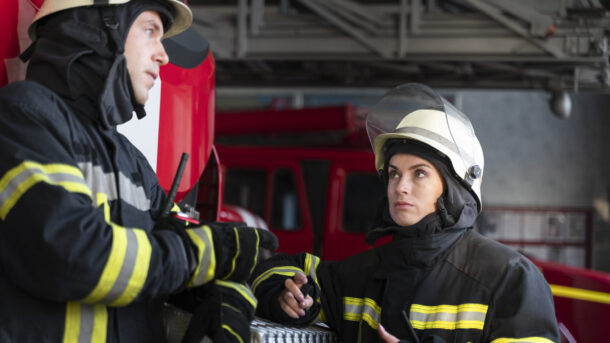
Emergency preparedness is an important part of responsible property management. While permanent fire protection systems are essential, temporary situations can create additional risks. Fire watch services provide human observation during these periods and can support a property’s broader emergency readiness plan.
The Fast Fire Watch Company offers professional fire watch support for businesses, construction sites, and other properties requiring temporary monitoring.
Understanding Emergency Readiness
Emergency readiness means preparing for potential incidents before they occur. A good plan identifies hazards, communication methods, evacuation procedures, emergency contacts, and responsibilities.
Fire watch personnel can become part of this temporary safety structure when additional monitoring is required.
Early Hazard Recognition
One benefit of human monitoring is the ability to directly observe conditions.
Fire watch personnel may notice:
- Smoke
- Unusual odors
- Sparks
- Unsafe storage
- Electrical issues
- Combustible debris
Early recognition allows established response procedures to begin promptly.
Fire Watch During Emergencies
Fire watch personnel are not emergency firefighters. Their role is to monitor assigned areas and follow the property’s established procedures.
If an emergency is detected, they should communicate the situation and activate the appropriate response process according to their training and assignment.
Supporting Evacuation Awareness
In an emergency, occupants may need to follow established evacuation procedures. Fire watch personnel can support awareness by understanding designated routes and communicating with responsible personnel.
Property-specific evacuation plans should always be prepared by the responsible organization.
Monitoring High-Risk Areas
Some areas require greater attention because of their activities or contents.
These may include:
- Kitchens
- Mechanical rooms
- Electrical spaces
- Storage areas
- Construction zones
- Hot-work locations
Monitoring priorities should be based on the property’s actual risk profile.
Communication Is Essential
Reliable communication helps ensure that observations are quickly passed to the appropriate people.
Fire watch personnel may communicate with:
- Property managers
- Site supervisors
- Security staff
- Maintenance teams
- Emergency services
Clear procedures reduce confusion during unexpected events.
Maintaining Fire Watch Logs
Documentation supports accountability and helps management understand what happened during the assignment.
Logs can include:
- Patrol times
- Locations
- Observations
- Hazards
- Notifications
- Corrective actions
Training and Professionalism
Fire watch personnel should receive appropriate training for their responsibilities. They should understand fire hazards, communication procedures, emergency response expectations, and site-specific requirements.
Professionalism is equally important because officers may work around employees, customers, residents, and contractors.
Flexible Fire Watch Coverage
Different properties have different schedules. Some may need coverage during a short maintenance period, while others may require extended monitoring.
Flexible service arrangements can help organizations coordinate coverage around their actual needs.
Working With Safety Teams
Fire watch should form part of a broader safety program rather than operate independently.
Property owners and managers should coordinate with qualified fire protection professionals and follow applicable fire safety requirements.
Conclusion
Emergency readiness depends on preparation, communication, and awareness. When a building experiences a temporary fire protection impairment or elevated fire risk, professional fire watch services can provide valuable additional observation.
The Fast Fire Watch Company can support organizations with trained personnel, structured patrols, clear reporting, and dependable communication. Fire watch should always complement permanent fire protection systems and established emergency procedures, helping organizations maintain stronger awareness until normal protection measures are restored.