
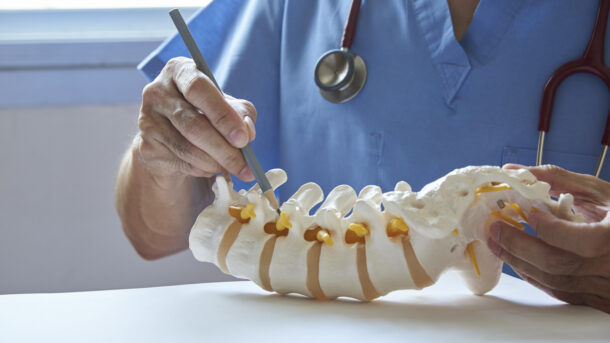
Spinal disorders can significantly impact your daily life, making simple activities such as walking, sitting, or sleeping difficult. Fortunately, advances in medical technology have introduced safer and more effective treatment options for many patients. One of the most important developments is minimally invasive spine surgery (MISS), a modern surgical approach designed to treat spinal conditions while minimizing damage to surrounding muscles and tissues.
Minimally invasive spine surgery reduces tissue damage, minimizes pain, shortens recovery time, and delivers effective treatment through advanced surgical techniques.
Unlike traditional open spine surgery, minimally invasive procedures use specialized instruments and advanced imaging to perform precise operations through much smaller incisions. This guide explains how minimally invasive spine surgery works, its benefits, common procedures, recovery expectations, and what patients should know before considering treatment.
What Is Minimally Invasive Spine Surgery?
Minimally invasive spine surgery is a specialized surgical technique that treats disorders affecting the spine using small incisions instead of the larger openings required in traditional surgery.
Surgeons use advanced technology such as:
- Surgical microscopes
- Endoscopes
- Fluoroscopy (real-time X-ray)
- Computer-assisted navigation
- Specialized retractors
- Precision surgical instruments
These tools allow the surgeon to reach the affected area while causing less disruption to healthy muscles and tissues.
Conditions Treated
Minimally invasive spine surgery may be recommended for various spinal conditions, including:
- Herniated discs
- Lumbar spinal stenosis
- Degenerative disc disease
- Sciatica
- Spondylolisthesis
- Compression fractures
- Certain spinal tumors
- Selected spinal infections
- Some spinal deformities
Not every spinal condition can be treated using minimally invasive techniques. Your spine specialist will determine whether you are an appropriate candidate.
How the Procedure Works
Although every operation differs, the general process follows similar steps.
Step 1: Small Incision
Instead of making a large incision, the surgeon creates one or more small openings near the affected area.
Step 2: Muscle Preservation
Rather than cutting through muscles, specialized dilators gently separate muscle fibers to create a pathway to the spine.
Step 3: Imaging Guidance
Real-time imaging allows the surgeon to accurately identify the surgical site.
Step 4: Surgical Treatment
Specialized instruments are used to remove damaged tissue, decompress nerves, or stabilize the spine.
Step 5: Closure
Because the incision is much smaller, fewer stitches are typically required.
Advantages of Minimally Invasive Spine Surgery
One of the primary reasons this technique has become increasingly popular is its many potential benefits.
Smaller Incisions
Smaller incisions often result in:
- Less tissue damage
- Smaller scars
- Improved cosmetic appearance
Reduced Muscle Injury
Preserving surrounding muscles helps patients recover more comfortably.
Benefits include:
- Less postoperative pain
- Better mobility
- Faster rehabilitation
Lower Blood Loss
Smaller surgical openings generally reduce bleeding during surgery.
This may lower the likelihood of blood transfusions.
Shorter Hospital Stay
Many patients return home within one day, while some procedures may even be performed on an outpatient basis.
Faster Recovery
Patients often resume normal activities sooner compared to traditional open surgery.
Recovery varies depending on the procedure and individual health.
Common Procedures
Several spinal operations can now be performed using minimally invasive techniques.
Microdiscectomy
Removes part of a herniated disc that presses against nearby nerves.
Laminectomy
Removes a small portion of bone to relieve pressure caused by spinal stenosis.
Spinal Fusion
Stabilizes unstable vertebrae using implants and bone grafts.
Vertebroplasty and Kyphoplasty
Treat spinal compression fractures by strengthening damaged vertebrae with specialized bone cement.
Preparing for Surgery
Proper preparation improves safety and recovery.
Patients may be asked to:
- Complete medical evaluations
- Review medications
- Stop smoking
- Maintain good nutrition
- Follow fasting instructions
- Arrange transportation home
Following preoperative instructions carefully helps reduce surgical risks.
Recovery After Surgery
Recovery depends on the type of procedure performed.
Most patients are encouraged to begin walking shortly after surgery.
Recovery may include:
- Light walking
- Physical therapy
- Activity restrictions
- Follow-up appointments
- Gradual return to work
Your surgeon will provide personalized recovery instructions based on your condition.
Physical Therapy
Many patients benefit from rehabilitation after surgery.
Physical therapy focuses on:
- Improving flexibility
- Building strength
- Restoring mobility
- Reducing pain
- Preventing future injury
Following your therapist’s recommendations helps maximize long-term outcomes.
Possible Risks
Like all surgical procedures, minimally invasive spine surgery carries potential risks.
Possible complications include:
- Infection
- Bleeding
- Nerve injury
- Blood clots
- Persistent pain
- Hardware complications
- Need for additional surgery
Fortunately, serious complications are uncommon when surgery is performed by experienced spine specialists.
Who Is a Good Candidate?
Ideal candidates often include patients who:
- Have persistent symptoms despite conservative treatment
- Experience nerve compression
- Have confirmed spinal abnormalities on imaging
- Are in good overall health
A complete medical evaluation determines whether minimally invasive surgery is appropriate.
Questions to Ask Your Surgeon
Before surgery, consider asking:
- Am I a candidate for minimally invasive surgery?
- What procedure do you recommend?
- What are the benefits and risks?
- How long is recovery?
- Will I need physical therapy?
- When can I return to work?
Open communication helps patients make informed treatment decisions.
Long-Term Outlook
Many patients experience significant improvement after minimally invasive spine surgery.
Potential long-term benefits include:
- Reduced pain
- Improved mobility
- Better quality of life
- Increased activity levels
- Greater independence
Maintaining a healthy lifestyle, following rehabilitation instructions, and practicing proper body mechanics contribute to long-term success.
Tips for Maintaining Spine Health
Even after successful treatment, protecting your spine remains important.
Healthy habits include:
- Maintaining a healthy weight
- Exercising regularly
- Strengthening core muscles
- Practicing good posture
- Lifting properly
- Avoiding smoking
- Staying physically active
Preventive care supports lifelong spinal health.
Final Thoughts
Minimally invasive spine surgery has transformed the treatment of many spinal conditions by offering patients a less disruptive alternative to traditional open surgery. Through smaller incisions, advanced imaging technology, and specialized surgical instruments, surgeons can effectively treat spinal disorders while reducing damage to healthy tissues.
Although not every patient is a candidate, many individuals benefit from reduced pain, shorter hospital stays, quicker recovery, and improved mobility. If conservative treatments have not provided relief, consulting an experienced spine specialist can help determine whether minimally invasive spine surgery is the right option for your condition.
Understanding the procedure, preparing properly, and following postoperative recommendations can greatly improve your recovery and help you return to an active, healthier lifestyle.