
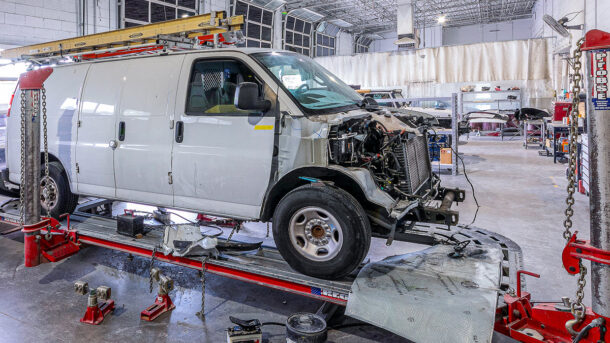
Being involved in a car accident can be stressful and overwhelming. Beyond dealing with insurance claims and vehicle damage, one of the most important decisions you’ll make is choosing the right collision repair shop. The quality of repairs directly impacts your vehicle’s safety, appearance, and long-term value. Selecting the wrong repair facility can lead to poor workmanship, additional expenses, and ongoing problems with your car.
If you’ve ever asked yourself, “How do I choose a collision repair shop?” this guide will help you understand the key factors to consider before entrusting your vehicle to any repair facility.
How do I choose a collision repair shop? Compare certifications, customer reviews, warranties, repair experience, and quality service before deciding.
Why Choosing the Right Collision Repair Shop Matters
Modern vehicles are more advanced than ever before. They contain sophisticated safety systems, sensors, and complex structural components that require specialized repair techniques. Improper repairs can affect:
- Vehicle safety
- Airbag performance
- Structural integrity
- Resale value
- Driving performance
- Warranty protection
A quality collision repair shop ensures that your vehicle is restored according to manufacturer standards and performs safely on the road.
Check the Shop’s Certifications
One of the first things to look for is professional certification.
Many reputable collision repair shops hold certifications from industry organizations and vehicle manufacturers. These certifications demonstrate that technicians have received specialized training and follow recognized repair standards.
Common certifications include:
- Automotive Service Excellence (ASE)
- Manufacturer certifications
- Industry training programs
- Auto body repair certifications
Certified technicians are often better equipped to repair modern vehicles correctly and safely.
Research the Shop’s Reputation
A repair shop’s reputation can tell you a lot about the quality of its work and customer service.
Before making a decision:
- Read online reviews.
- Ask friends and family for recommendations.
- Check customer testimonials.
- Look for consistent positive feedback.
- Review ratings from independent review websites.
Pay attention to comments regarding:
- Repair quality
- Communication
- Timeliness
- Customer satisfaction
- Professionalism
A strong reputation is often a sign of reliable service.
Ask About Experience
Experience matters when it comes to collision repairs.
Some repair facilities specialize in certain vehicle brands or types of damage. Ask questions such as:
- How long has the business been operating?
- Do they have experience with your vehicle make and model?
- Have they repaired similar damage before?
- Are their technicians regularly trained?
Experienced repair shops are often better prepared to handle complex repairs and unexpected issues.
Verify Insurance Company Relationships
Many collision repair shops work directly with insurance companies to streamline the claims process.
However, remember that you generally have the right to choose your own repair facility, even if your insurer recommends a specific shop.
When considering a repair facility, ask:
- Do they work with my insurance company?
- Will they assist with paperwork?
- Can they provide repair estimates directly to the insurer?
A shop experienced in insurance claims can make the process easier and less stressful.
Inspect the Facility
Visiting the repair shop in person can provide valuable insight into its professionalism and operations.
Look for:
- Clean and organized work areas
- Modern repair equipment
- Professional staff
- Proper lighting and safety procedures
- Well-maintained facilities
A clean and organized shop often reflects attention to detail and quality workmanship.
Ask About Repair Warranties
A reputable collision repair shop should stand behind its work.
Ask whether the shop provides warranties on:
- Labor
- Replacement parts
- Paint work
- Structural repairs
Written warranties provide peace of mind and demonstrate confidence in the quality of the repairs.
Inquire About Replacement Parts
Not all replacement parts are the same.
Repair shops may use:
Original Equipment Manufacturer (OEM) Parts
These parts are produced by the vehicle manufacturer and are designed specifically for your vehicle.
Aftermarket Parts
These parts are manufactured by third-party companies and may vary in quality.
Recycled Parts
Some repairs use recycled components that have been inspected and approved for reuse.
Discuss your options with the repair facility and understand how different parts may affect your vehicle’s performance and value.
Evaluate Communication and Customer Service
Good communication is essential throughout the repair process.
Choose a collision repair shop that:
- Explains repairs clearly
- Answers your questions
- Provides regular updates
- Offers realistic timelines
- Treats you respectfully
Excellent customer service often leads to a smoother and more positive repair experience.
Request a Detailed Estimate
Before authorizing repairs, ask for a written estimate.
The estimate should clearly outline:
- Labor costs
- Replacement parts
- Paint and materials
- Estimated completion time
- Additional charges
Comparing estimates from multiple repair facilities can help you make an informed decision.
However, the lowest price is not always the best choice. Quality repairs and safety should remain the top priorities.
Ask About Technology and Equipment
Modern vehicles contain advanced technologies such as:
- Collision avoidance systems
- Lane departure warnings
- Adaptive cruise control
- Parking sensors
- Advanced airbag systems
Repairing these features often requires specialized equipment and calibration tools.
A quality collision repair shop invests in modern technology to ensure repairs meet current standards.
Consider Turnaround Time
While quick repairs are appealing, quality work should never be rushed.
Ask the shop:
- How long will repairs take?
- Are there potential delays?
- Will parts need to be ordered?
A trustworthy repair facility provides realistic expectations and communicates any changes promptly.
Signs of a Good Collision Repair Shop
If you’re wondering what makes a good collision repair shop, look for these qualities:
- Certified technicians
- Strong customer reviews
- Transparent pricing
- Written warranties
- Excellent communication
- Modern equipment
- Experience with your vehicle
- Professional facilities
- Commitment to safety
These factors can help you identify a repair facility you can trust.
Red Flags to Avoid
Be cautious if a repair shop:
- Refuses to provide written estimates
- Pressures you into immediate decisions
- Has numerous negative reviews
- Cannot explain the repair process
- Offers unusually low prices
- Lacks certifications or warranties
Choosing a reputable shop can prevent future problems and additional repair expenses.
Why the Right Choice Matters
Collision repairs involve much more than restoring your vehicle’s appearance. Proper repairs protect:
- Your safety
- Passenger safety
- Vehicle performance
- Long-term reliability
- Resale value
Investing time in selecting the right repair facility can provide lasting benefits and peace of mind.
Conclusion
After an accident, one of the most important decisions you’ll make is selecting a collision repair shop. By researching certifications, checking reviews, evaluating customer service, and understanding repair practices, you can make a confident and informed choice.
If you’ve been asking, “How do I choose a collision repair shop?” the answer lies in finding a facility that values quality, safety, transparency, and customer satisfaction. The right repair shop will not only restore your vehicle but also help ensure that it remains safe and reliable for years to come.
Taking the time to choose wisely can make all the difference in your repair experience and your vehicle’s future performance.