
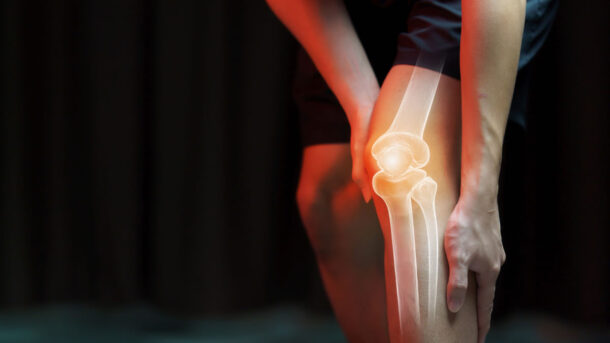
The musculoskeletal system is one of the most important structures in the human body, providing support, movement, stability, and protection for vital organs. Consisting of bones, muscles, joints, tendons, ligaments, and connective tissues, this complex system allows people to perform everyday activities ranging from walking and lifting to exercising and participating in sports. Understanding the musculoskeletal key to injury prevention and joint health can help individuals maintain mobility, reduce pain, and improve overall quality of life.
Understanding the muskuloskeletal key helps support joint function, muscle health, mobility, injury prevention, and overall physical wellness.
Injuries affecting the musculoskeletal system are among the most common health concerns worldwide. Whether caused by sports participation, workplace activities, aging, or poor movement habits, musculoskeletal injuries can significantly impact daily function. Fortunately, many of these injuries can be prevented through proper care, conditioning, and awareness.
One of the most important aspects of musculoskeletal health is maintaining strong muscles. Muscles provide support for joints and help absorb forces generated during movement. Weak muscles place additional stress on joints, increasing the risk of injury and discomfort. Regular strength training helps improve muscle function and supports healthy movement patterns.
Flexibility also plays a critical role in injury prevention. Tight muscles and restricted movement can place excessive stress on joints and connective tissues. Stretching exercises, mobility training, and regular physical activity help maintain flexibility and reduce the risk of strains and overuse injuries.
Joint health is closely connected to overall musculoskeletal wellness. Healthy joints allow smooth movement and efficient function. Factors that support joint health include maintaining a healthy body weight, staying physically active, and avoiding repetitive stress whenever possible.
Excess body weight places additional pressure on weight-bearing joints such as the knees, hips, and spine. Over time, this increased stress can contribute to joint degeneration and discomfort. Maintaining a healthy weight helps reduce strain and supports long-term joint function.
Proper posture is another important factor in musculoskeletal health. Poor posture can place unnecessary stress on muscles, ligaments, and joints. Common examples include slouching while sitting, improper lifting techniques, and prolonged use of electronic devices without ergonomic support.
Improving posture often involves:
- Strengthening core muscles
- Adjusting workstation ergonomics
- Taking regular movement breaks
- Practicing proper body mechanics
These habits can help reduce the risk of musculoskeletal strain and discomfort.
Physical activity remains one of the most effective ways to support musculoskeletal health. Regular exercise improves strength, flexibility, balance, and coordination. Activities such as walking, swimming, cycling, and resistance training help maintain healthy bones and joints while reducing injury risk.
Bone health is another important component of the musculoskeletal system. Bones provide structure and protection while serving as attachment points for muscles. Adequate intake of calcium, vitamin D, and other essential nutrients supports bone strength and density.
As people age, maintaining bone health becomes increasingly important. Regular weight-bearing exercise and proper nutrition help reduce the risk of osteoporosis and fractures.
Injury prevention strategies often focus on preparation and recovery. Athletes and active individuals benefit from warming up before exercise and cooling down afterward. Proper warm-up activities increase blood flow to muscles and prepare the body for movement.
Recovery is equally important. Allowing adequate rest between training sessions helps tissues repair and adapt. Overtraining can increase the risk of injuries such as tendonitis, muscle strains, and stress fractures.
Hydration also contributes to musculoskeletal health. Water supports joint lubrication, muscle function, and overall physical performance. Dehydration can negatively affect movement efficiency and increase fatigue during physical activity.
Workplace injury prevention is another important consideration. Many musculoskeletal injuries occur due to repetitive motions, poor ergonomics, and improper lifting techniques. Employers and employees can reduce risks through education, ergonomic improvements, and safe work practices.
Early intervention plays a crucial role in preventing minor issues from becoming serious problems. Persistent pain, stiffness, swelling, or reduced mobility should not be ignored. Seeking professional evaluation can help identify underlying causes and support timely treatment.
Healthcare professionals may recommend physical therapy, exercise programs, or lifestyle modifications to address musculoskeletal concerns and improve function.
Technology continues to influence musculoskeletal care through improved diagnostic tools, rehabilitation programs, and wearable devices that monitor movement patterns. These innovations help individuals better understand their physical health and make informed decisions regarding injury prevention.
Ultimately, maintaining musculoskeletal health requires a proactive approach. By focusing on strength, flexibility, posture, nutrition, exercise, and injury prevention strategies, individuals can support healthy joints and long-term mobility.
Understanding the musculoskeletal key to injury prevention and joint health empowers people to take control of their physical well-being. With consistent attention to healthy habits and early intervention when needed, individuals can enjoy active lifestyles while reducing the risk of injuries and chronic musculoskeletal conditions.